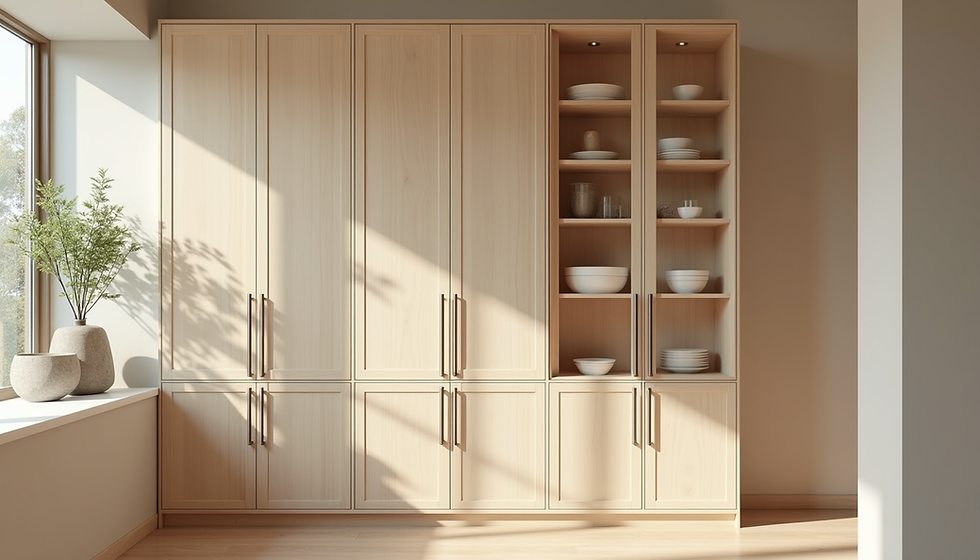
Mastering the Art of DIY Kitchen Cabinet Installation for Homeowners

Thinking about installing your own kitchen cabinets? You’re not alone. Many homeowners take on cabinet installation as a DIY project to save money, learn new skills, or simply feel more connected to their home renovation.
At Tidewater Cabinetry, we work with homeowners every day—both full-service installs and
DIYers who want guidance, quality cabinets, and support along the way. This guide is written
specifically for homeowners, in plain language, to help you understand the process and avoid
common mistakes. If you’re willing to plan carefully, take your time, and ask for help when needed, cabinet installation can be a successful DIY project.
Basic Tools You’ll Need Before You Start
Before installing cabinets, it’s important to have the right tools on hand. Having everything ready
ahead of time will make the process smoother, safer, and far less stressful.
Here’s a homeowner-friendly list of basic tools commonly needed for cabinet installation:

Measuring & Layout Tools
Tape measure
Pencil or marker
Level (4-foot level is ideal)
Laser level (optional but very helpful)
Stud finder
Installation Tools
Drill/driver
Drill bits and driver bits
Wood shims (lots of them)
Clamps (bar clamps or quick clamps)
Hammer
Safety & Protection
Safety glasses
Work gloves
Drop cloths or floor protection
Painter’s tape
Helpful Extras
Step ladder
Utility knife
Vacuum or shop vac
DIY Tip: If you don’t own all of these tools, many can be rented or borrowed. A laser level and
extra clamps are especially worth it. If you’re unsure whether you have what you need, Tidewater Cabinetry is happy to help you review your tool list before you begin.
Step 1: Start With a Clean, Empty Kitchen
Before anything else, the space needs to be ready.
Make sure:
Old cabinets are fully removed
Walls are open and accessible
Plumbing and electrical rough-ins are complete
The room is clean and free of debris
DIY Tip: Take photos of plumbing and electrical locations before cabinets go in. They can be
helpful later. If something doesn’t look right at this stage, pause. It’s always easier to fix issues before cabinets are installed.
Step 2: Protect Your Floors (Don’t Skip This)
One of the most common DIY mistakes is skipping floor protection. Cabinets are heavy. Tools get dropped. Accidents happen.
Protect your floors using:
Ram board or heavy-duty floor protection
Rosin paper taped at seams
Thick drop cloths for lighter areas
Cover:
Walkways from your entry door to the kitchen
The entire cabinet work area
DIY Tip: Use painter’s tape instead of duct tape to avoid damaging finished floors.
Step 3: Organize Your Workspace
A clean, organized workspace makes the entire project easier and safer.
Set aside areas for:
Cabinets waiting to be installed
Tools and hardware
Trash and packaging
Avoid stacking cabinets directly on finished floors or leaning them against walls without
padding.
DIY Tip: Keep cabinet boxes in their protective wrapping until you’re ready to install them.
Step 4: Safety First (Yes, Even for DIY Projects)
Installing cabinets isn’t just about looks—it’s physical work.
Basic safety reminders:
Wear safety glasses
Use gloves when lifting
Lift with your legs, not your back
Get help for large cabinets
Wall cabinets in particular can be awkward and heavy.
DIY Tip: Never try to hang wall cabinets alone. A second set of hands is essential.
Step 5: Measure, Mark, and Plan
This is where patience pays off.

Before installing anything:
Review your cabinet layout
Identify each cabinet’s location
Locate wall studs
Measure appliance openings carefully
Walls and floors are rarely perfectly level.
Mark:
The highest point on the floor
A level line for base cabinets
Wall cabinet height lines
DIY Tip: A simple laser level can save hours of frustration.
Step 6: Installing Base Cabinets
Base cabinets usually go in first.
Start with:
A corner cabinet or the highest point in the room
For each cabinet:
1. Set it in place
2. Check level front-to-back and side-to-side
3. Use shims as needed
4. Secure cabinets to wall studs
5. Clamp cabinets together before fastening them to each other
Take your time here—base cabinets set the tone for the entire kitchen.
DIY Tip: Never force cabinets to fit. Shimming is normal and expected.
Step 7: Installing Wall Cabinets
Wall cabinets come next and require extra care.
Helpful approach:
Install a temporary ledger board on the wall to support cabinet weight
Hang one cabinet at a time
Secure directly into wall studs
Once installed, cabinets should be level, secure, and aligned.
DIY Tip: A ledger board is one of the easiest ways to make wall cabinet installation safer and
more manageable.
Step 8: Doors, Drawers & Final Adjustments
After cabinets are installed:
Adjust door hinges for even gaps
Check that drawers slide smoothly
Confirm doors open and close properly
Small adjustments make a big visual difference.
DIY Tip: Most cabinet hinges are adjustable—don’t panic if doors look uneven at first.
Step 9: Clean Up and Enjoy the Progress
Once installation is complete:
Remove floor protection carefully
Vacuum inside cabinets
Wipe down cabinet surfaces
Remove all trash and packaging
A clean finish helps you truly enjoy the transformation.
How Tidewater Cabinetry Supports DIY Homeowners
At Tidewater Cabinetry, we believe homeowners should feel confident—whether they hire us for full installation or take on the project themselves.
We support DIYers by offering:
Professional cabinet design and layout help
Quality cabinets built to install correctly
Clear guidance and honest advice
Support if questions come up during installation
You don’t have to do it alone.
If you ever feel unsure, we’re here to help you protect your investment and get the best possible result.
Final Thoughts
DIY cabinet installation is achievable with:
Proper planning
Patience
The right support
Take your time, protect your home, and don’t hesitate to reach out when you need guidance.
Tidewater Cabinetry is here to support you—every step of the way.
📞 941-527-2920
📍740 Commerce Drive
Suite 4
Venice, FL 34292